
Professional bed bug treatment services play a crucial role in addressing infestations. Homeowners often struggle with identifying the full extent of the problem.
Understanding the signs and methods of treatment can help in making informed decisions. The costs associated with these services can vary greatly. Knowing what to expect can alleviate concerns.
What steps should one take when faced with a bed bug issue? The answers may surprise you.
Although bed bugs are often associated with unsanitary conditions, they can thrive in any environment, making understanding their infestations vital for effective management.
These pests are small, nocturnal insects that feed on human blood, often hiding in cracks, crevices, and furniture. Their ability to reproduce rapidly complicates eradication efforts, as a single female can lay hundreds of eggs in her lifetime.
Bed bugs are adept at hitchhiking, easily traveling on clothing, luggage, or used furniture. Recognizing their resilience is essential for individuals and professionals alike in developing thorough strategies to detect and eliminate these persistent intruders before they spread further.
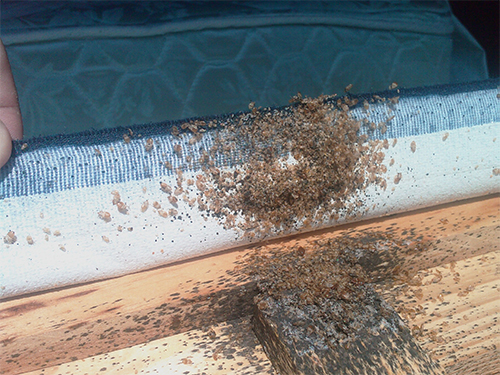
Identifying the signs of a bed bug problem is essential for early intervention and successful treatment. Common indicators include small, reddish-brown insects, often found in mattress seams or crevices.
Residents may notice itchy, red welts on their skin, typically appearing in clusters after sleeping. Additionally, dark spots-bed bug excrement-can appear on bedding or furniture. An unpleasant, musty odor may also be present, resulting from pheromones released by the bugs.
Regular inspections of sleeping areas and furnishings can help catch infestations early, ensuring prompt action is taken to eliminate the pests before they spread further throughout the home.

Professional bed bug treatment services employ a variety of effective methods to eradicate infestations. Heat treatment is a popular method, utilizing elevated temperatures to eliminate all life stages of bed bugs.
Chemical treatments involve applying insecticides specifically designed to target bed bugs, ensuring thorough coverage in infested areas. Integrated pest management (IPM) combines multiple strategies, including monitoring and preventive measures, to reduce bed bug populations sustainably.
Additionally, some services may use steam cleaning or vacuuming as part of their arsenal. Each method is chosen based on the severity of the infestation and the unique characteristics of the affected environment.
A thorough treatment process is vital for effectively eliminating bed bug infestations. Initially, professionals conduct a detailed inspection to identify the extent of the problem.
Following this, they implement a combination of methods, such as heat treatments and chemical applications, tailored to the specific situation. The treatment area is prepared by removing clutter and vacuuming, enhancing effectiveness. After treatment, a follow-up inspection is essential to confirm all bed bugs have been eradicated.
Clients are advised on prevention strategies to avoid future infestations. This systematic approach guarantees a more successful and lasting resolution to bed bug issues.
Cost considerations for professional bed bug treatment services can vary considerably based on several factors. These factors include the severity of the infestation, the size of the property, and the specific treatment methods employed.
Average costs typically range from $300 to $1,500, with more extensive infestations requiring additional treatments and higher expenses. Geographic location also plays a significant role, as urban areas may have higher rates due to increased demand.
Homeowners should always obtain multiple estimates and inquire about guarantees or follow-up services, ensuring they receive thorough care for their bed bug problem while managing costs effectively.
Preventing future bed bug infestations is essential for homeowners who have recently dealt with these pests. To minimize the risk, individuals should regularly inspect bedding and furniture for signs of bed bugs.
When traveling, placing luggage on racks instead of beds and checking hotel rooms upon arrival can help reduce exposure. Sealing cracks and crevices in walls and floors limits potential hiding spots. Additionally, maintaining a clutter-free environment makes detection easier.
Finally, using protective covers on mattresses and box springs can act as a barrier, preventing bed bugs from infesting these areas. Vigilance and proactive measures are key to long-term prevention.

Traveling without bringing bed bugs home is possible with careful precautions. Individuals should inspect hotel rooms upon arrival, check luggage for any signs of bed bugs, and keep belongings elevated off the floor. It is advisable to wash clothes in hot water immediately after returning home and to vacuum suitcases before storing them. By being vigilant and taking these preventive measures, travelers can greatly reduce the risk of introducing bed bugs into their homes.
Bed bugs do not transmit diseases to humans. While they are capable of causing discomfort through their bites, which can lead to itching and secondary infections, there is no evidence to suggest that these pests carry or spread any pathogens. Their primary impact is psychological distress and disrupted sleep patterns rather than physical illness. Effective management focuses on eliminating infestations rather than addressing concerns about disease transmission, which is not a risk associated with bed bugs.
Bed bug bites are generally not dangerous or harmful to most individuals. They typically result in itchy welts, which can cause discomfort but are rarely a cause for serious concern. However, some people may experience allergic reactions or secondary infections from scratching. In rare cases, excessive scratching can lead to more severe health issues. Overall, while bed bug bites are unpleasant, they do not pose significant health risks to the general population.